

SDC Weekly 159; Value, Scarcity & Nobody Rings a Bell
The quartz crisis as a birth certificate, Veblen meets Akerlof, Internal Exchange Rates, Why a 20% pay rise buys one point of happiness, Lederer interview, Swiss museum robbery, and more.

🚨 Welcome back to SDC Weekly! Quote of the day from a WhatsApp group:
Let’s just say that as a WIS, you live long enough to see your one time grail turn into a shitter some day.
-N for Nobody
Before we continue, I couldn’t help myself… if you needed further evidence of UK’s misplaced priorities, read about how Harry Potter fans forced the relocation of a £430m undersea cable to avoid Dobby’s ‘grave’. No words, really.
Admin note: The Unofficial Editor declined to check this edition because his last date told him his personality is an excellent form of birth control. He is currently at the pub, drinking his dinner and reflecting on his flaws. Please tap the title of this post or click here to ensure you read the most recent edition, which may include corrections made after publishing.
In case you missed these recent posts:


I also made a guest appearance in this post about AI & watch research - by A Watch Critic (for some reason I can’t add graphic links to others’ posts the way I can with my own posts - Substack flaw I guess.
If you’re new to SDC, welcome! When you have some time, check out prior editions of SDC Weekly here, or peruse the archive here.
Estimated reading time: ~32 mins
⚖️ Value and Scarcity
Yeah I know… all this talk of value in quick succession may be a little irritating by now, but please bear with me! It’s no longer surprising to anyone that a £10 Casio tells better time than a $13.9m Journe because in the end, we know that people buy things when they provide more value to them, that the thing costs - and this is invariably a function of their own net worth.
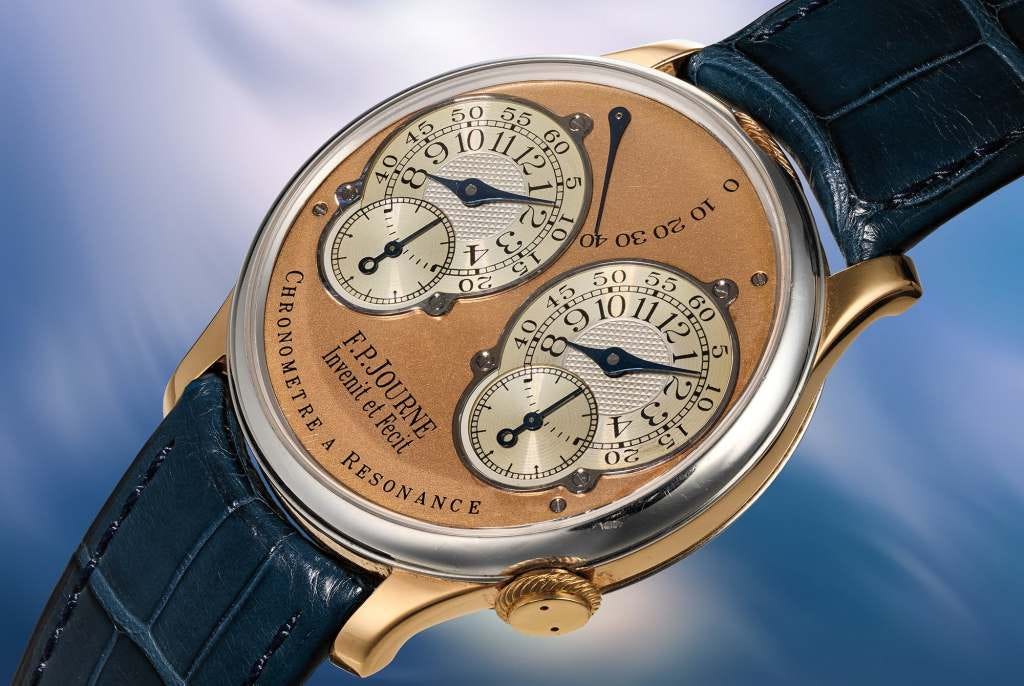
This ‘value’ could be status, peace of mind, joy from owning the craftsmanship, or the simple pleasure of wearing something beautiful or with high utility for them. The buyer measures this value, and then decides what is worth paying for. Brands can tell us all day what their watch ‘should’ be worth based on R&D or development costs, but if you decide it’s overpriced rubbish (for you!), you walk away.
Before we go on… if you read last week’s essay you might rightfully be wondering what’s left to say on this subject. Well, that essay was about how “worth it” is a pointless phrase until you say who it’s worth it to.
On reflection, I think at least one thing was missing from that essay: when someone is thinking about buying a watch, and figuring out whether something is ‘worth it’ to them, that only really sets the ceiling. But the open question that I think is still unanswered, is what exactly determines whether a brand can charge that ceiling?